
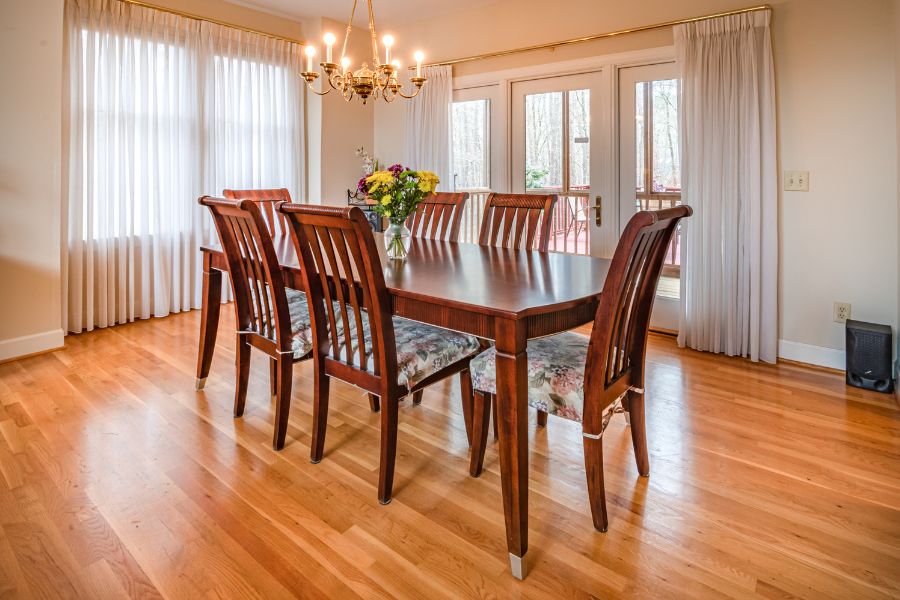
Building a custom dining table transforms a house into a warm home where memories are made. Let us pick the right wood together today and start your next woodworking adventure.
There is magic in gathering around a handmade table for Sunday breakfast and holiday feasts. Choosing your material is the most vital step of the entire project. Pick the wrong board and your creation will warp over time. Wood breathes and moves constantly in response to indoor humidity. Let us find the perfect timber that lasts for generations without any trouble at all. When designing a custom dining table, you invest in a true legacy piece. Every hardwood species carries a unique personality and distinct physical traits. Some woods offer velvety textures that feel incredible under your fingertips. Others provide armor against daily family wear and tear. Understanding these natural traits makes you a confident craftsman. Let us explore the best workshop options available today.
The Raw Appeal of Walnut and Oak
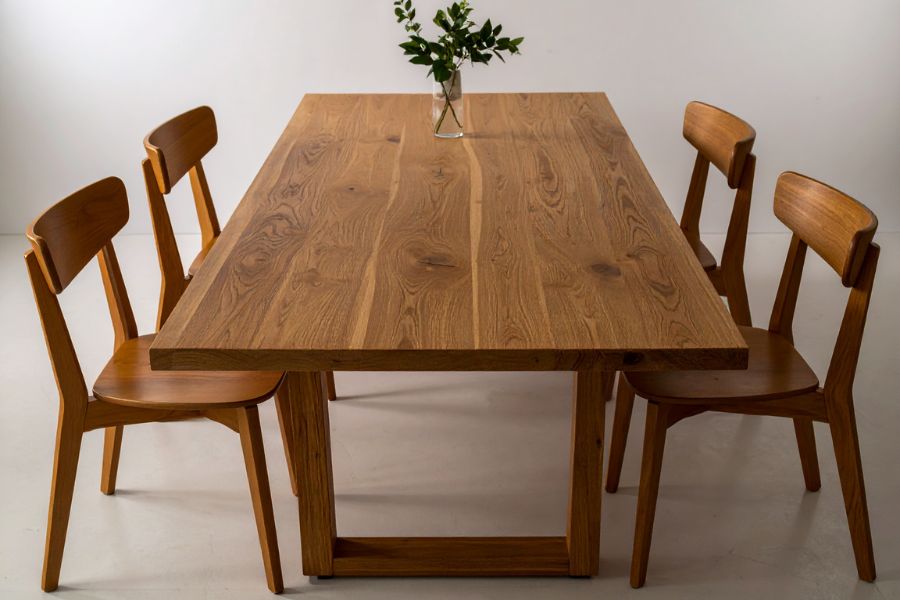
Woodworkers love debating white oak versus black walnut for furniture making during late workshop sessions. Black walnut commands attention immediately with its striking appearance. It boasts rich chocolate tones and swirling figures that catch the light. It cuts cleanly under sharp hand tools without chipping or tearing. Walnut absorbs impacts gracefully and hides minor dings in its deep shadows. It brings timeless sophistication to any dining room space effortlessly. If you want a masterclass in garage organization and workshop efficiency while handling tools, you might want to check out this guide on how to organize garage workspace and scrap timber to keep your materials tidy.
White oak brings legendary architectural strength to heavy furniture builds. Its natural oak durability stands the ultimate test of time. Quartersawn boards reveal stunning ray fleck patterns that add incredible depth. It accepts stains and finishes exceptionally well under different lighting conditions. Building with white oak guarantees a stunning family heirloom piece. It survives decades of heavy family use without showing significant wear.
Between these headings, your workshop comes alive with rich sawdust and the sharp scent of freshly milled timber, reminding every serious maker why handcrafting furniture remains the ultimate creative pursuit while testing various joinery techniques on scrap pieces.
Mastering Hardness and Patina
Species like maple and cherry offer amazing advantages for table builders. When your room sees heavy traffic, maple hardness resists deep scratches and heavy dents. Maple features a bright, tight grain pattern that looks stunning. It shines brilliantly in modern minimalist spaces and rustic rooms alike. Keep your saw blades sharp when working with this dense timber. For a rich home improvement workflow that keeps your physical energy high during long shop hours, you can explore tips on improving daily morning routines and wellness habits for better focus.
For a story that evolves naturally, cherry is an absolute dream. Fresh cherry starts pinkish and bright before sunlight hits it. Sunlight triggers a gorgeous cherry patina that develops over several months. This warm tone deepens every single year of its functional life. Cherry machines wonderfully and sands like absolute butter under fine grit papers.
Between these headings, sanding away rough spots reveals the true soul of the board, turning a stack of rough lumber into a silky surface you cannot stop touching while preparing the wood for its final protective finish.
The Science of Stable Timber
Picking species is only half the battle of fine furniture construction. You must master how to choose kiln dried lumber for woodworking projects. Fresh trees hold trapped water that causes severe problems. Proper drying stops boards from twisting violently in your shop. Proper stock matches your indoor humidity levels before you start cutting.
Pay close attention to board thickness during your lumberyard sorting phase. Thin stock limits your final planing depth and structural rigidity. Always account for wood movement caused by shifting seasonal humidity. Wood expands across its width constantly throughout the changing year. Use specialized fasteners that allow natural shifting without breaking joints.
Between these headings, measuring moisture levels keeps your workshop honest and saves your hard work from cracking months down the road after delivery into the client home.
Building a massive surface requires careful planning and precise measurements. Always focus on selecting stable timber for large dining tables to prevent disasters. A twelve-foot span magnifies internal wood stresses in ways smaller boards do not. Check the moisture content with a reliable digital pin meter. Look for readings near six percent for optimal indoor stability. Straight grain keeps wide panels completely flat through every season.
Think of your lumber as your house foundation. Bad bases ruin great joinery skills every single time. Inspect every single board for hidden internal tension and bow. Straight stock saves you from future headaches and embarrassing workshop callbacks.
Between these headings, taking extra time at the lumberyard separates amateur mistakes from professional workshop results while ensuring your finished centerpiece remains completely flat.
FAQ
What is the best hardwood for a family dining table with kids?
White oak and hard maple resist dents and scratches best.
How do I prevent my custom dining table top from cracking over time?
Use kiln-dried lumber and allow proper seasonal wood movement.
Should I choose flatsawn or quartersawn lumber for my tabletop?
Quartersawn wood resists cupping better for large surfaces.
