
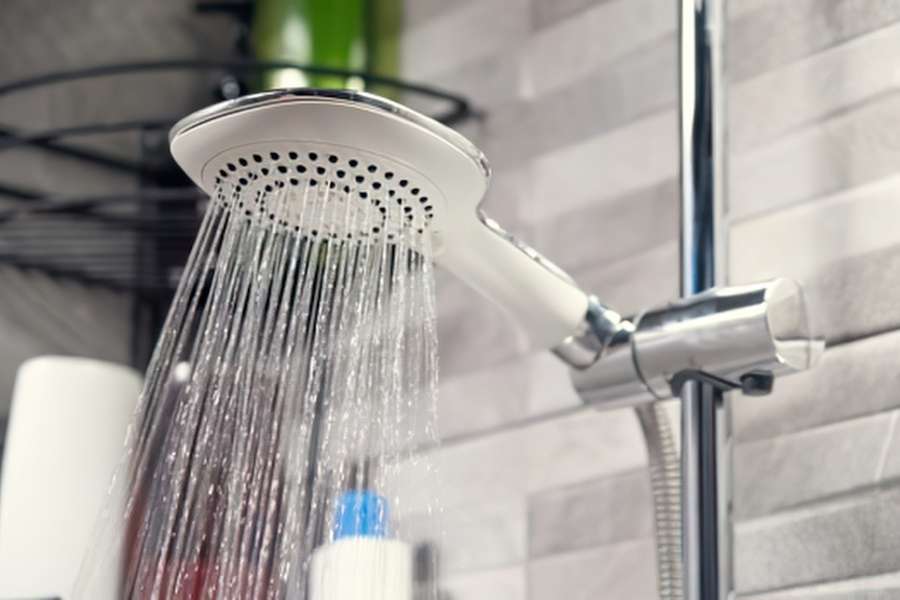
Tired of that pathetic morning trickle? A weak shower ruins your mood before the day even begins. Swapping your showerhead yourself is the fastest way to get real power back. You do not need a plumber. Grab an adjustable wrench, roll up your sleeves, and take back your morning routine today. Low water pressure turns a quick rinse into a frustrating chore. Most people assume their pipes are broken or old. Yet, the real culprit is usually hiding right on the wall. A quick swap fixes the flow in less than thirty minutes. You will save cash and enjoy a powerful spray every single day.
Why You Should Mount a New Showerhead Yourself
Upgrading your bathroom fixture delivers an immediate boost to your daily routine. Old hardware often chokes the water stream needlessly. Modern units mix air with water to create intense force. Installing a showerhead yourself gives you total control over your morning comfort. You will finally get the strong rinse you deserve. When tackling low flow, you might also want to fix other wasteful fixtures in your home. You can learn how to repair a running toilet step by step to stop constant leaks and restore balanced water flow across your entire system.
Hard minerals build up inside plumbing fixtures year after year. When you change your showerhead yourself, you eliminate that heavy blockage completely. Modern designs compress the stream to maximize velocity. The resulting spray washes away soap instantly and feels fantastic. It is the cheapest luxury upgrade you can make at home. Modern designs also cut down on wasted water without sacrificing force. Choosing the right style depends entirely on how you like to shower.
Pick the Best Style for Your Shower
Rainfall heads offer wide, gentle coverage over your whole body. High-velocity models focus water into firm, pulsating streams for quick rinsing. Handheld wands let you direct spray exactly where you want it. They make washing pets or rinsing tile walls incredibly easy. Dual units give you both options with a quick flip of a switch.
How Water Velocity Actually Works
Municipal pipes feed water into your home under steady force. Inside the fixture, internal chambers shape the outgoing stream. Air-injection models pull in room air to boost droplet speed. This makes a modest stream feel twice as strong on your skin. You get intense rinsing power without running up high utility bills.
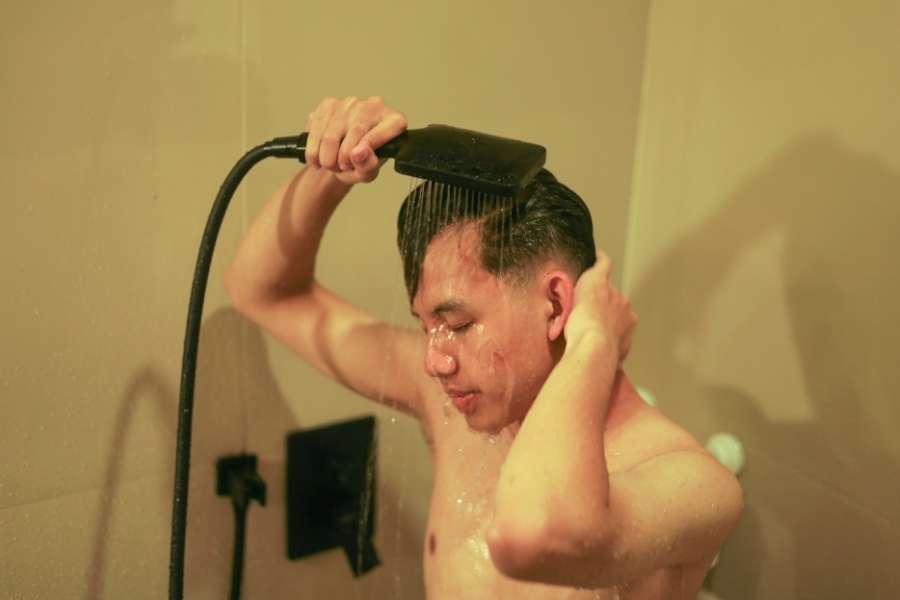
Spotting What Chokes Your Water Force
Fixing a weak stream starts with checking simple parts in order. You might have great household force trapped behind a clogged wall unit. Mineral deposits act like cement inside small plumbing channels. A quick check tells you if the problem sits inside the fixture itself. If you plan larger upgrades like moving pipes, check out bathroom renovation permits and code requirements before altering permanent domestic plumbing lines. Simple fixture swaps never require permits, but understanding local rules keeps your home safe and compliant. Testing your lines avoids unnecessary plumbing repairs and wasted money. A systematic check points directly to the real issue.
The Problem with Crusty Limescale
Hard water carries invisible calcium and magnesium into your pipes. As hot water dries, it leaves chalky limescale behind. This crust plugs tiny openings and sends water shooting sideways. The simplest answer is often to change a scaled showerhead for a clean one. You get instant force back without messing with complex home plumbing.
Leaks in the Connecting Line
Pipes lose force when water escapes before reaching the spray face. Check the flexible metal hose on handheld units for splits. Worn washers let precious force bleed out into the tub. Pinched lines also strangle the stream before it leaves the wall. Replacing worn parts restores lost force to your entire spray.
Tools You Need Before Starting
Preparation makes any quick home plumbing job totally painless. You only need a few basic tools from your garage. Having everything within reach keeps the whole job under thirty minutes. You can mount a showerhead yourself without buying fancy gear. A few basic precautions keep your bathroom clean and scratch-free. Take these simple steps before touching any plumbing connections.
Your Simple Toolkit
- New replacement showerhead with fresh rubber washers
- Adjustable wrench or basic slip-joint pliers
- White PTFE thread seal tape
- Clean rag to protect shiny chrome finishes
- Old toothbrush to scrub dirty pipe threads
- Small bucket to catch stray water drops
Prepping Your Work Area
Turn the shower knobs completely off before you start work. You do not need to shut off the main house supply valve. Lay an old towel flat across the bottom of the tub. This protects the tub finish if you drop a metal wrench. It also keeps small washers from falling down the open drain.
How to Fit a New Showerhead Yourself
Swapping hardware is very simple when you follow clear steps. Careful movements protect your wall pipes from unexpected damage. Take your time, turn connections gently, and check your work as you go. Each simple step ensures a tight, leak-free connection on the wall. Solid assembly keeps water spraying where it belongs.
Take Off the Old Fixture
Wrap your clean rag around the old metal connector nut. Clamp your wrench over the cloth to protect the metal finish. Turn the nut counterclockwise to break decades of crusty buildup. Hold the shower arm pipe steady with your free hand. Never twist the wall pipe, or you could crack hidden joints. Spin the loosened fixture off by hand and set it aside.
Clean the Exposed Pipe Threads
Look closely at the bare threads sticking out of the wall. You will see crusty old white tape and brown gunk. Scrub the metal clean using an old toothbrush dipped in vinegar. Wipe away loose debris until the bare metallic threads shine. Fresh sealing tape needs a clean, smooth surface to stick properly.
Wrap the Threads and Make the Fitting
Take your roll of white thread seal tape. Wrap it flat around the male pipe threads three full times clockwise. Wrapping clockwise keeps the tape from unraveling when you screw the unit on. Smooth the tape down firmly into the metal grooves. A neat fitting stops water from spraying out of the joint.
Screw on the New Hardware
Start threading your new fixture onto the pipe by hand first. Turn it clockwise until it sits snug against the rubber washer. Add another gentle half-turn using your cloth-covered wrench. Do not overtighten, or you might crack the internal plastic parts. Turn the water on and watch closely for leaks around the threads. You can now install a new showerhead easily whenever an old one wears out. Once the joint stays completely dry, you are ready to enjoy your shower.
Keeping Your Spray Strong for Years
Hard water will slowly attack your new fixture over time. Regular cleaning keeps the spray strong, straight, and reliable. Spending five minutes on maintenance prevents heavy mineral buildup. Consistent care stops blockages before they choke your water stream. Simple pantry supplies clean internal parts without harsh chemicals.
Quick Ways to Clean Shower Spray Holes
Mineral deposits collect right at the exit points of the faceplate. You need to clean shower spray holes before they plug shut. Rub your thumb firmly across the soft rubber tips to crack deposits. For tough buildup, soak the faceplate in warm household vinegar. The natural acid dissolves crusty scale without damaging the shiny finish.
Keep the Water Flowing Freely
Take the unit down once a year to clear internal grit. Remove the head and inspect the small wire mesh filter screen. Rinse away trapped sand, rust, and pipe scale under a sink faucet. Reinstall the screen and retape the threads for a fresh seal. Caring for your showerhead yourself keeps water moving with full force.
Smart Water Habits for Better Results
You do not need to waste gallons to get a great shower. Smart engineering balances forceful rinsing with sensible water use. Good habits protect your water heater while keeping utility bills low. Minor plumbing adjustments keep your whole system working at peak performance. Small tweaks make every shower feel far more powerful.
Managing Restrictors and Stream Force
Modern units feature internal flow control discs to limit water waste. These precision parts keep the outgoing flow smooth and steady. Do not rip the restrictor out with pliers. Unregulated units drain your hot water tank in just minutes. Modern aerating designs create intense velocity while using far less hot water.
Everyday Steps to Improve Shower Water Pressure
Check your main water shutoff valve near the street or basement. Opening that valve completely can improve shower water pressure across the entire house. Make sure intermediate shutoff valves under bathroom sinks sit wide open too. Insulate hot water pipes to maintain steady heat and strong delivery. These basic steps make your decision to mount a showerhead yourself even more rewarding.
Frequently Asked Questions
Can I replace a showerhead yourself in a rental apartment?
Yes, swapping a shower unit is completely reversible and safe for renters. Store the landlord original fixture safely in a closet or drawer. Put the original unit back on the wall before moving out.
How do I choose between a fixed head and a handheld wand?
Fixed units provide wide, hands-free overhead coverage every single morning. Handheld wands give you flexibility to wash pets or rinse shower walls. Dual combo models offer both options through a quick diverter switch.
Why does water leak from the pipe joint after installation?
Leaks usually happen from missing thread tape or uneven hand threading. Unscrew the unit, wipe the pipe clean, and reapply three neat tape wraps. Screw the unit back on straight and snug it down gently.
