
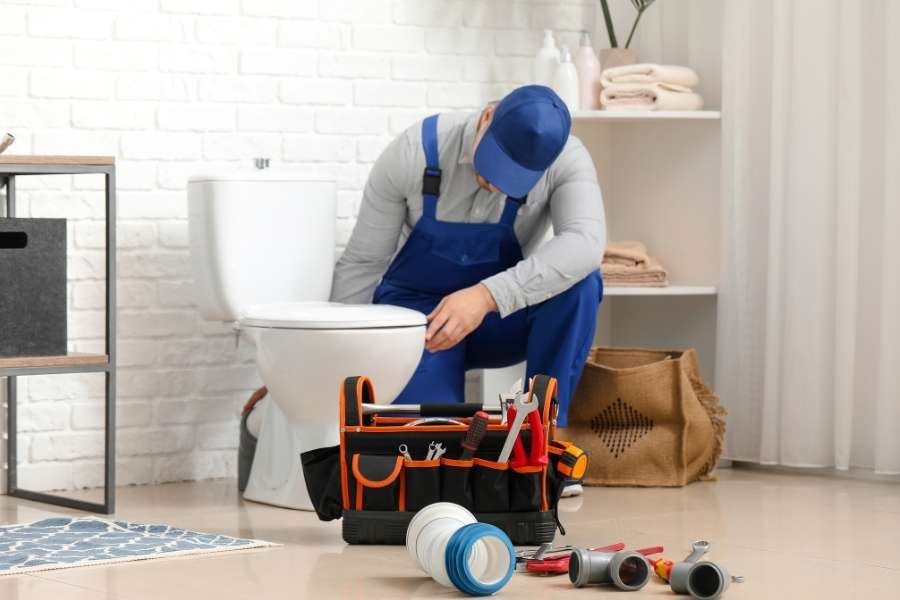
That endless trickling sound from your bathroom is infuriating. It feels like a ghost is flushing your cash away. You can repair a running toilet quickly without hiring a plumber. A fast bathroom fix stops continuous water waste today. Let us open the toilet tank and fix this annoying problem now.
Understanding Why Your Toilet Keeps Running
You must learn how your inner system works first. The whole process relies on simple physical mechanical rules. Pushing the outer handle lifts a flexible rubber seal. Water flows down quickly into the bowl below. Once the reservoir empties, the rubber seal drops down. The intake system opens wide to refill the cavity. A tiny mechanical fault breaks this smooth natural balance. Water leaks away constantly into the bottom bowl area. When intake parts stick, the reservoir fills up too high.
Excess volume pours into the open plastic safety pipe. That continuous hiss is just extra water draining away safely. Identifying the bad component makes plumbing troubleshooting very easy. Before starting bigger upgrades or a full DIY bathroom renovation and code requirements project, fixing these minor mechanical issues is key. According to EPA estimates, household leaks waste massive water amounts. Fixing these simple issues preserves resources and saves real money. Understanding simple parts empowers every homeowner to take action.
Diagnosing the Root Cause Inside the Tank
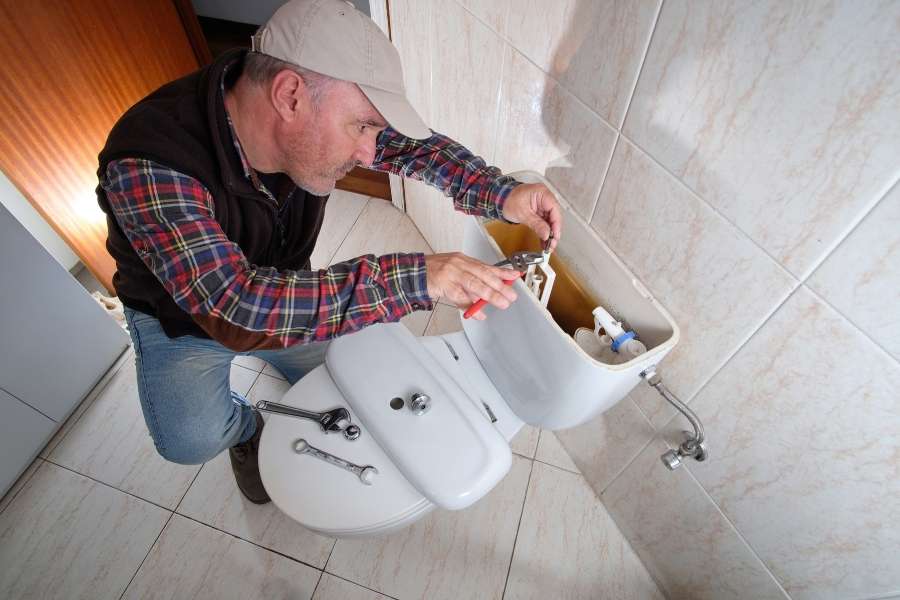
Carefully lift the heavy ceramic lid off the base. Place it down safely onto a soft towel nearby. Look straight inside the reservoir to spot the real problem. Check where the water line sits right now. Giving your space a fresh look with creative budget DIY accent wall ideas is fun, but securing your fixtures comes first.
Checking the Water Level and Fill Valve
Water may flow directly over the open plastic pipe edge. If so, your floating mechanism needs a quick adjustment. The intake unit simply does not realize the system is full. Excessive height causes endless leaks into the overflow opening. This continuous overflow explains why many people need toilet repair help. Adjusting the small mechanism takes less than two quick minutes. Lowering the float setting shuts off incoming flow early. If adjusting the screw does not stop incoming water, act fast. You likely need a complete fill valve replacement right away. New intake units are cheap and very easy to install.
Inspecting the Flapper and Chain Mechanics
The water height might sit below the open pipe top. In that case, look directly at the bottom rubber seal. Harsh tap water chemicals degrade rubber seals over long periods. Worn seals allow continuous trickling down into the bowl. Check the small metal chain attached to the lever arm. A chain that is too short holds the seal open. A loose chain tangles underneath the bottom opening easily. Learning to replace a faulty toilet flapper step by step solves most leak issues.
Step-by-Step Guide to Repair a Running Toilet
Fixing this issue is simple with a good basic plan. Turn off the water supply valve behind the toilet. Flush once while holding the handle down completely. Sponge out remaining water so you work in dry space.
Adjusting the Float Mechanism
First, try to adjust water level in toilet tank parts easily. Find the small adjustment screw on the intake unit. Turn the screw counterclockwise using a flat screwdriver carefully. This movement lowers the total maximum fill height capacity. Set the target line one inch below the pipe top. Turn the main water valve back on to test it.
Cleaning or Replacing the Flapper
If float adjustments fail, turn off the water valve again. Unhook the small lift chain from the handle lever arm. Slide the flexible rubber seal off its mounting side pegs. Check the underside for cracks, slime, or mineral deposits. Take the old piece to the hardware store for matching. Snap the new rubber seal onto both side pegs. Reattach the lift chain onto the upper lever arm carefully. Leave a slight bit of slack when fully closed down. This simple swap will stop toilet water from running continuously.
Testing the Complete System
Turn the wall water shutoff valve back on slowly now. Watch incoming water fill the reservoir up to your mark. The incoming flow should stop before reaching the open pipe. Do a full test flush to check overall mechanical movement. Verify that the bottom seal drops down tight every time. Listen closely to ensure complete quiet after refilling ends. Successful plumbing troubleshooting restores home peace and saves money.
When You Need a Full Flush Valve Replacement
Sometimes replacing simple rubber seals does not fix the leak. The plastic seat underneath might be cracked or warped severely. Installing a fresh base unit becomes necessary for full repairs. Replacing this complete unit requires unscrewing lower mounting bolts. You must lift the heavy reservoir off the bowl base. Modern replacement units include clear instructions for fast DIY installation. Taking time for deeper repairs restores your unit completely. It stops trickling sound and eliminates utility bill waste permanently. A quick twenty minutes of work brings long home comfort.
Frequently Asked Questions
Why does my toilet run intermittently every few minutes?
A slow leak past the rubber seal causes ghost flushing. The float drops down and triggers automatic refilling cycles. Replacing the rubber seal fixes this issue fast.
Do I need special tools to fix a running toilet?
No special plumbing tools are required for basic repairs. You only need a screwdriver and adjustable pliers. Replacement parts snap into place easily by hand.
How much money can a running toilet waste on a water bill?
A continuous leak wastes hundreds of gallons every single day. That waste adds high unnecessary costs to monthly bills. Buying a cheap seal pays for itself quickly.
